Xexon- Cash Out Crypto Assets Easily
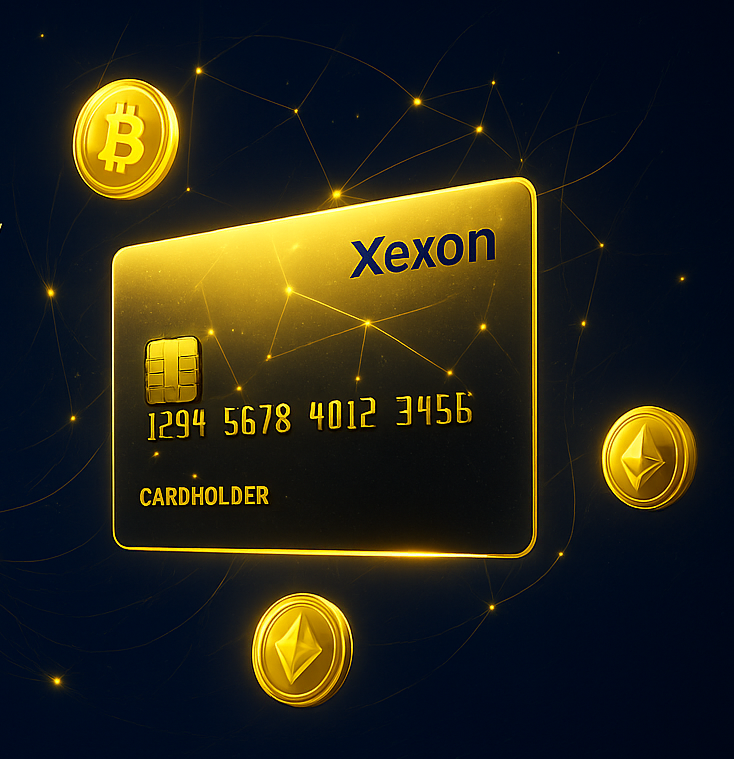
Use the Xexon crypto debit card at any Visa, Mastercard, or UnionPay merchant or ATM worldwide. Top up instantly using crypto assets like Bitcoin.
Why Choose Xexon

Tier-1 Bank Account— Even for Offshore Entities
Open with simple KYC—no mountains of paperwork, even for BVI, Seychelles, or newly formed companies.
Anonymous Visa Debit Card, Crypto-Funded in seconds
Convert crypto to USD in a few clicks and pay in 200+ countries; your bank balance stays ready.
Private, Versatile Investing
From spot to derivatives, we offer a wide range of trades while keeping you discreet—VIPs get bespoke management.

One Dashboard, All Moves
Wire funds, swap wallets, and load your card—everything online in a single interface.
Real-World Use Cases
Grow wealth offshore, then wire, swipe, or withdraw cash anytime.
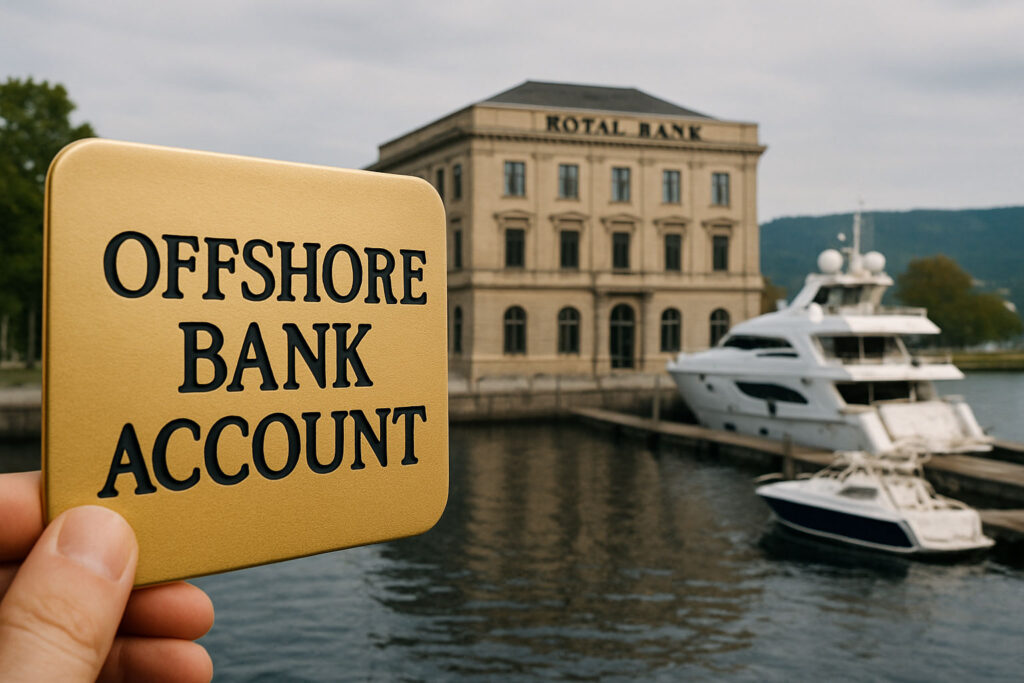
Offshore Bank Account
- Store Assets Privately
- Buy overseas property via wire transfer
- Purchase yachts, foreign equities, other high-value assets
- Pay international suppliers and B2B invoices

Secure Crypto Wallet
- Safeguard your crypto
- Instantly send cross-border payroll and fees
- Swap to USD and top up your card or transfer funds

Anonymous Visa Debit Card
- Pay at any Visa merchant worldwide
- Withdraw local currency at ATMs everywhere
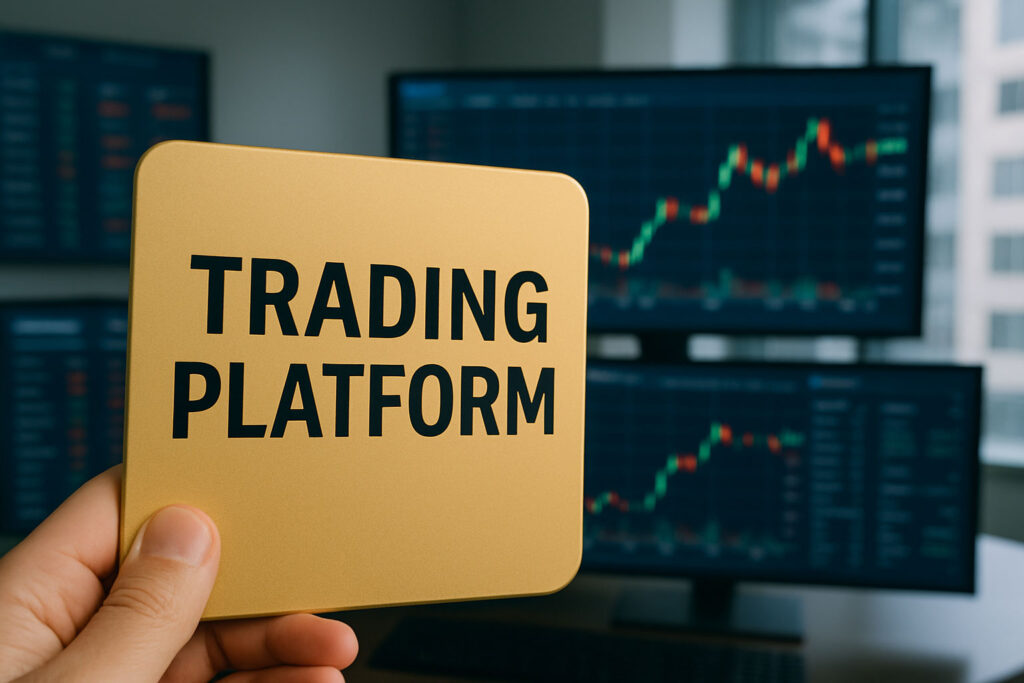
Trading Platform
- Spot crypto trading
- Leveraged futures and options
- Arbitrage and position trades to grow your BTC
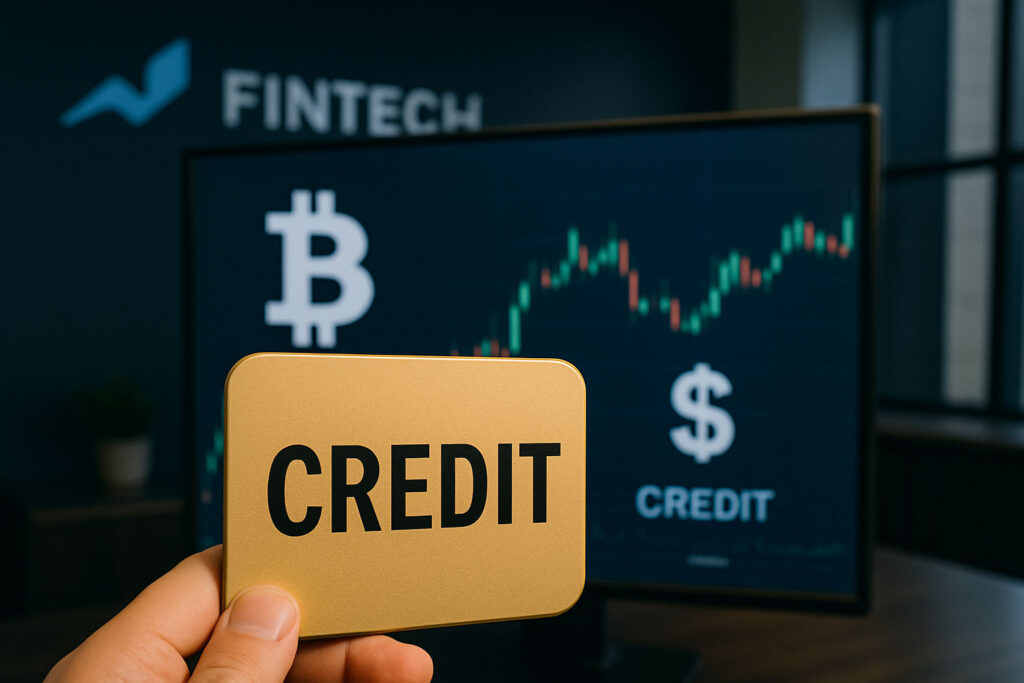
Credit
- Store Assets Privately
- Buy overseas property via wire transfer
- Purchase yachts, foreign equities, other high-value assets
- Pay international suppliers and B2B invoices
Xexon
Empowering the future of finance. Spend your crypto anytime, anywhere instantly
Quick Links
- Home
- Why Xexon
- Features
- Use Cases
- FAQ
Resources
- Blog
- Help Center
- Card Fees
Get the App
- Card Fees
- Security Policy
- Terms & Conditions
- Blog
- Help Center
- Card Fees
Connect With Us
Key Components of Digital Marketing
Search Engine Optimization (SEO)
Improving website visibility in search engine results (like Google).
Example: Using keywords, backlinks, and quality content to rank higher.Content Marketing
Creating and sharing valuable content (blogs, videos, infographics) to attract and retain an audience.Social Media Marketing (SMM)
Promoting products or brands on platforms like Instagram, Facebook, LinkedIn, X (Twitter), and TikTok.Pay-Per-Click Advertising (PPC)
Running paid ads where you pay only when someone clicks (e.g., Google Ads, Meta Ads).Email Marketing
Sending targeted and personalized messages to nurture leads and retain customers.Affiliate Marketing
Partnering with others to promote your products and sharing revenue from sales.Influencer Marketing
Collaborating with influencers to reach their engaged followers.Analytics & Data Tracking
Measuring performance with tools like Google Analytics, Meta Business Suite, or HubSpot to optimize campaigns.
🎯 Why Digital Marketing Matters
Global Reach: Connect with audiences worldwide.
Cost-Effective: Often cheaper than traditional marketing.
Measurable Results: Track performance in real time.
Personalization: Deliver tailored content to specific users.
Engagement: Build relationships and brand loyalty through interactive channels.

Copyrights @ 2025 Xexon Technologies. All Rights Reserved
DIGITAL MARKETING
Digital marketing refers to all marketing efforts that use the internet or electronic devices. Businesses leverage digital channels such as search engines, social media, email, websites, and mobile apps to connect with current and potential customers.

Digital marketing refers to all marketing efforts that use the internet or electronic devices. Businesses leverage digital channels such as search engines, social media, email, websites, and mobile apps to connect with current and potential customers.
📈 Key Components of Digital Marketing
Search Engine Optimization (SEO)
Improving website visibility in search engine results (like Google).
Example: Using keywords, backlinks, and quality content to rank higher.Content Marketing
Creating and sharing valuable content (blogs, videos, infographics) to attract and retain an audience.Social Media Marketing (SMM)
Promoting products or brands on platforms like Instagram, Facebook, LinkedIn, X (Twitter), and TikTok.Pay-Per-Click Advertising (PPC)
Running paid ads where you pay only when someone clicks (e.g., Google Ads, Meta Ads).Email Marketing
Sending targeted and personalized messages to nurture leads and retain customers.Affiliate Marketing
Partnering with others to promote your products and sharing revenue from sales.Influencer Marketing
Collaborating with influencers to reach their engaged followers.Analytics & Data Tracking
Measuring performance with tools like Google Analytics, Meta Business Suite, or HubSpot to optimize campaigns.
🎯 Why Digital Marketing Matters
Global Reach: Connect with audiences worldwide.
Cost-Effective: Often cheaper than traditional marketing.
Measurable Results: Track performance in real time.
Personalization: Deliver tailored content to specific users.
Engagement: Build relationships and brand loyalty through interactive channels.
WEBSITE DESIGN
Website design is the process of planning, conceptualizing, and arranging content online. It’s not just about how a website looks—it’s also about how it works, how easy it is to use, and how it delivers a good experience to visitors.

Key Elements of Good Website Design
Layout & Structure
The arrangement of text, images, and buttons. A clean and organized layout helps visitors find what they need easily.
Tip: Use grids and consistent spacing.Color Scheme
Colors influence mood and perception. Choose a palette that matches your brand identity and is easy on the eyes.Typography (Fonts)
Fonts should be readable and consistent. Avoid using too many different fonts on one page.Images & Graphics
High-quality visuals make your website attractive and professional. Optimize images to ensure fast loading times.Navigation
Menus and links should be simple and intuitive. Visitors should be able to reach any page within a few clicks.Responsiveness
Your website should look great on all devices — desktop, tablet, and mobile.Loading Speed
Fast websites keep users engaged. Compress images and use reliable hosting to improve speed.Call to Action (CTA)
Buttons like “Buy Now,” “Contact Us,” or “Learn More” guide users toward the next step.
🧭 Types of Website Design
Static Design: Simple sites with fixed content.
Dynamic Design: Interactive and database-driven websites.
E-commerce Design: Online stores focused on sales and product display.
Portfolio Design: For showcasing personal or professional work.
Blog Design: Focused on written content and readability.
⚙️ Popular Tools & Platforms
Design Tools: Figma, Adobe XD, Canva, Sketch
Website Builders: WordPress, Wix, Squarespace, Webflow
Coding Languages: HTML, CSS, JavaScript
🌟 Why Good Website Design Matters
Builds trust and credibility
Improves user experience (UX)
Enhances SEO performance
Increases conversion rates
Reflects your brand identity
STOCK TRADING
Stock trading is the process of buying and selling shares (ownership units) of publicly listed companies through a stock exchange, such as the New York Stock Exchange (NYSE) or NSE/BSE (India).
.

📈 Types of Stock Trading
Day Trading
Buying and selling stocks within the same day — traders close all positions before the market closes.
Goal: Profit from short-term price movements.Swing Trading
Holding stocks for a few days or weeks to take advantage of medium-term trends.Position Trading
Long-term trading where investors hold stocks for months or even years based on company performance.Scalping
Making many small trades throughout the day to gain tiny profits that add up over time.
🧠 Basic Concepts to Know
Stock Exchange: A marketplace where stocks are bought and sold.
Broker: A platform or person that helps execute trades (e.g., Zerodha, Robinhood, Groww).
Ticker Symbol: A short code representing a company’s stock (e.g., AAPL for Apple).
Bull Market: A period when stock prices are rising.
Bear Market: A period when stock prices are falling.
Portfolio: A collection of investments owned by a trader or investor.
Diversification: Spreading investments across different stocks to reduce risk.
⚙️ How Stock Trading Works
Open a trading and demat account.
Research companies and analyze market trends.
Place buy or sell orders through your broker.
Monitor your stocks and manage your risk using stop-loss or limit orders.
Review your performance and adjust your strategy.
💡 Why People Trade Stocks
To grow wealth and earn profits
To beat inflation
To build long-term financial security
⚠️ Risks Involved
Market volatility can cause losses
Emotional trading (fear or greed)
Lack of research or planning
Economic or political instability affecting prices
🧭 Tips for Beginners
Start small and learn gradually
Focus on companies you understand
Follow market news and trends
Think long-term, not just short-term gains
Never invest money you can’t afford to lose